Kickstart your eCommerce journey by understanding the key differences, benefits, and challenges of dropshipping and print on demand. Whether you’re a budding entrepreneur or a seasoned small business owner, choosing the right model is crucial for your success. In this comprehensive guide, we’ll dive deep into the world of eCommerce to help you make an informed decision.
The debate of dropshipping vs print on demand is one that many small and medium-sized businesses (SMBs) face. We’ll break down each model, starting with a thorough explanation of what dropshipping and print on demand entail. You’ll gain insights into how each system operates and the pros and cons associated with them.
As we explore further, you’ll discover the key differences between these two models, focusing on aspects like inventory management, profit margins, and customer experience. For those considering a hybrid approach, we’ll discuss how combining both methods can offer unique advantages, supported by real-life success stories.
Our step-by-step guide will assist you in assessing your business needs and performing a cost analysis with real numbers. Finally, we’ll look ahead at future trends and predictions in the eCommerce landscape, considering technological innovations and market growth.
By the end of this article, you’ll be equipped with the knowledge to choose the model that aligns with your business vision. Ready to transform your eCommerce strategy? Let’s get started!
Table of Contents
Understanding Dropshipping
What is Dropshipping?
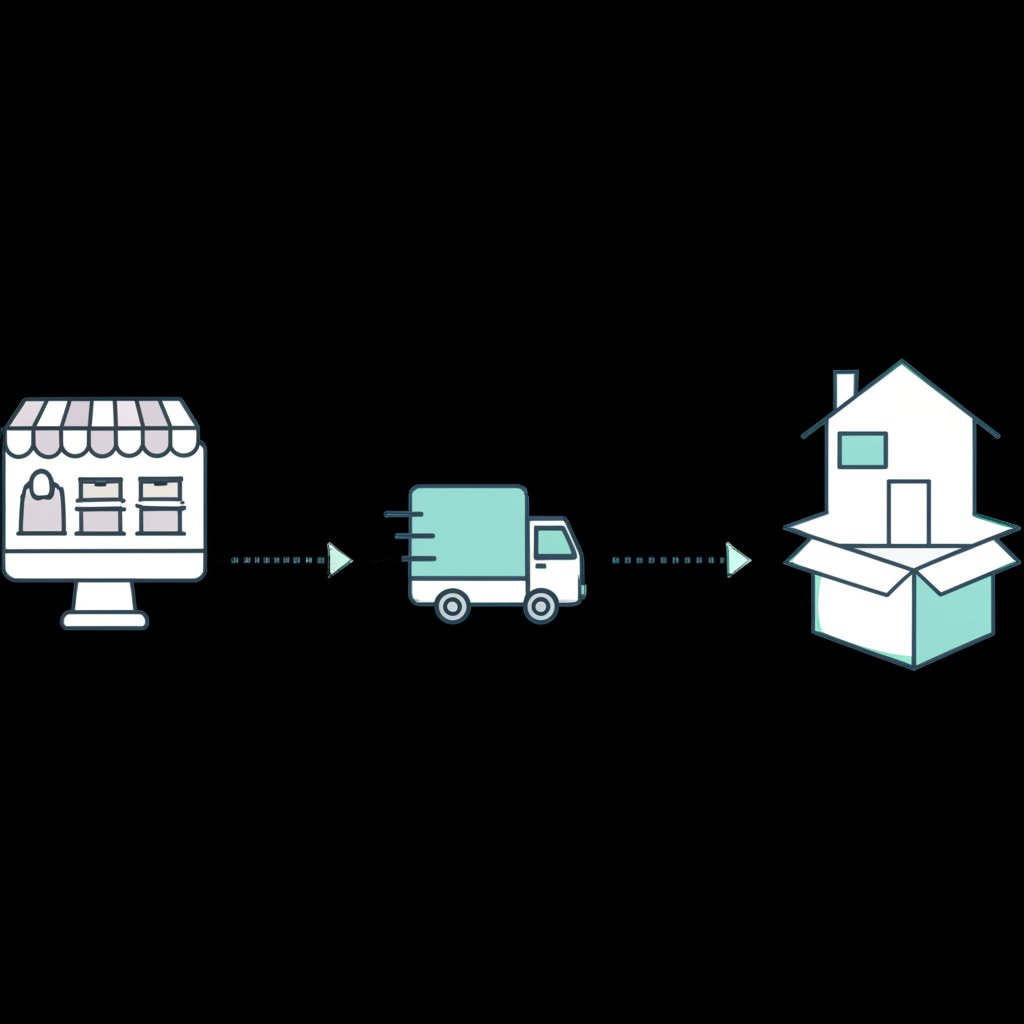
Dropshipping is an eCommerce fulfillment model that allows you to sell products without holding physical inventory. Instead, when a customer makes a purchase, the order is forwarded to a third-party supplier who handles storage, packing, and shipping on your behalf. This method of business has gained immense popularity due to its low barrier to entry and the ability for entrepreneurs to offer a wide variety of products without the need for upfront investment in stock.
How Dropshipping Works
The dropshipping process can be broken down into a few simple steps:
- Select Products: You choose products from a supplier’s catalog to list on your online store.
- Customer Orders: A customer places an order on your website and pays the retail price you set.
- Forward Order Details: You forward the order details to the supplier and pay the wholesale price.
- Supplier Ships: The supplier packages and ships the product directly to the customer.
This streamlined process allows you to focus on marketing and customer service, while the logistics of delivery are managed by your supplier.
Pros and Cons
Understanding the advantages and challenges of dropshipping is crucial in deciding between dropshipping vs print on demand for your business model. Here’s a closer look:
Pros of Dropshipping:
- No Inventory Management: One of the biggest advantages is that you don’t need to purchase inventory upfront or manage stock. This reduces risk and capital investment.
- Wide Product Selection: With dropshipping, you can offer a vast array of products from multiple suppliers. This flexibility allows you to test new products without financial risk.
- Scalability: As your business grows, you can easily expand your product offerings and reach new markets without worrying about inventory constraints.
Cons of Dropshipping:
- Supplier Reliability: Your business heavily depends on suppliers’ reliability for timely fulfillment, which can impact customer satisfaction if not managed well.
- Narrower Profit Margins: Since you are buying one item at a time at wholesale prices, profit margins can be slimmer compared to bulk purchasing models.
- Lack of Control Over Fulfillment: You have limited control over the fulfillment process, which can affect shipping times and packaging quality.
To help you weigh these factors, here’s a comparative table illustrating key aspects of dropshipping:
| Aspect | Description | Impact |
|---|---|---|
| No Inventory Costs | Saves upfront costs and reduces risk | Positive – Easier for startups |
| Diverse Product Range | Ability to offer various products from multiple suppliers | Positive – More options for customers |
| Supplier Dependency | Reliability issues can arise from supplier errors | Negative – Can affect brand reputation |
| Profit Margins | Narrower margins due to higher per-item cost | Negative – Less revenue per sale |
Selecting dropshipping involves weighing these pros and cons carefully. By understanding how this model works, you can make informed decisions about your eCommerce strategy. As we delve further into this guide, you’ll see how it contrasts with print on demand in terms of inventory management, profit margins, and customer experience, helping you decide which model aligns best with your business goals.
Exploring Print On Demand
What is Print On Demand?
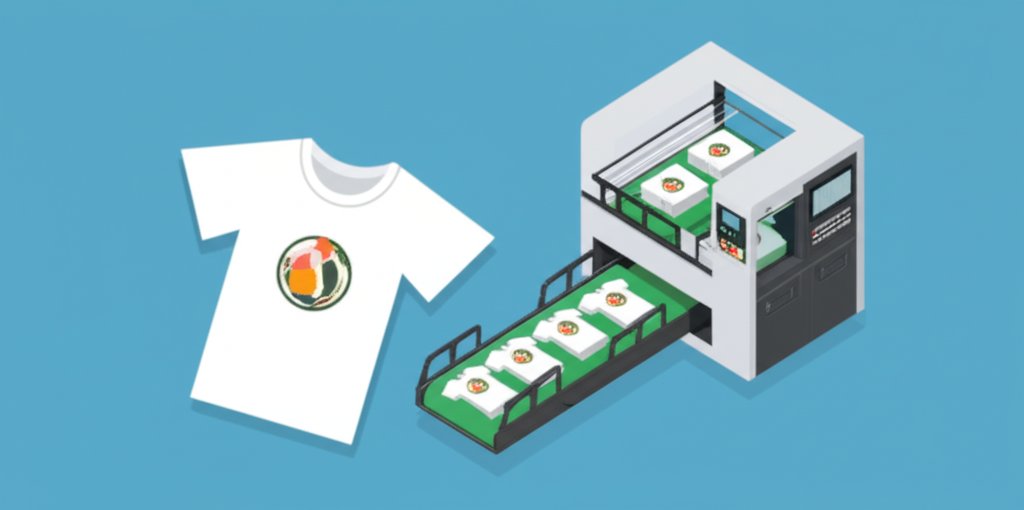
Print on Demand (POD) is an innovative eCommerce model that allows you to sell custom-designed products without holding inventory. This means you can offer a wide array of personalized items like T-shirts, mugs, and phone cases, all with your own unique designs. It’s a flexible business model that is especially appealing to creative entrepreneurs who want to bring their artistic vision to life without the traditional hassle of managing stock.
How Print On Demand Works
The process of print on demand is fairly straightforward. Here’s a step-by-step look at how it operates:
- Create Your Design: Start by designing your product. This could be anything from a clever slogan to an intricate piece of artwork.
- Choose Products: Select from a range of blank products offered by your POD supplier. These are typically white-label items ready for customization.
- Upload Design: Use the supplier’s platform to upload your design onto the products you’ve selected.
- List Products: Once your design is in place, list the products on your online store with appropriate descriptions and pricing.
- Customer Orders: When a customer places an order, the POD supplier prints the design onto the product and ships it directly to the customer.
This seamless integration allows you to focus more on marketing and design while the supplier handles production and fulfillment.
Pros and Cons
Like dropshipping, print on demand has its own set of advantages and challenges. Understanding these can help you decide which model suits your business best when considering dropshipping vs print on demand.
- Customizable Products: The ability to offer unique, personalized products is a significant advantage. You can tailor designs to niche markets or seasonal trends, making your offerings stand out.
- Lower Upfront Costs: With no need to purchase inventory upfront, POD significantly reduces financial risk. This makes it an attractive option for startups or small businesses.
- No Inventory Management: Similar to dropshipping, you don’t need to worry about storing or managing physical stock, freeing up time and resources.
However, print on demand does come with some challenges:
- Longer Shipping Times: The custom nature of each order means that production takes time, which can lead to longer shipping durations compared to pre-made products.
- Narrower Profit Margins: Because each item is individually produced, costs per unit are typically higher than bulk production, which can affect your pricing strategy.
- Limited Product Range: You’re restricted to the product types offered by your supplier, which might limit your catalog compared to what you could create with traditional manufacturing.
The following table provides a quick comparison of some key aspects of print on demand:
| Aspect | Pros | Cons |
|---|---|---|
| Customization | High – Unique designs for niche markets | N/A |
| Inventory Cost | None – Reduced financial risk | N/A |
| Shipping Time | N/A | Longer – Due to custom production |
| Profit Margin | N/A | Narrower – Higher cost per unit |
In conclusion, print on demand offers a creative and low-risk entry into eCommerce. While there are some logistical challenges such as shipping times and profit margins, the ability to provide customized products can be a game-changer for many businesses. As you weigh dropshipping vs print on demand, consider what aligns best with your business goals and customer expectations.
Dropshipping vs Print On Demand: Key Differences
In your journey to decide between dropshipping and print on demand, understanding the key differences is crucial. This section provides a detailed comparison to help you make an informed choice. From inventory management to profit margins, and even customer experience, we’ve got you covered. Let’s dive in!
Inventory Management
One of the most significant differences between dropshipping and print on demand lies in how inventory is managed. In the dropshipping model, you do not keep any products in stock. Instead, you partner with suppliers who store, pack, and ship products directly to your customers. This means you’re free from the burden of inventory management, which can be a huge advantage, especially for small businesses with limited storage space.
Print on demand, on the other hand, involves a more personalized approach. While you still don’t hold stock, each product is custom-created based on customer orders. This allows for unique designs tailored to specific customer preferences but can also mean longer lead times as items aren’t produced until ordered.
| Aspect | Dropshipping | Print On Demand |
|---|---|---|
| Inventory Management | No stock held; managed by suppliers | No stock held; custom creation per order |
| Lead Times | Generally faster as products may be pre-made | Longer due to customization process |
Profit Margins
When it comes to profit margins, the debate of dropshipping vs print on demand becomes even more interesting. Dropshipping often offers lower profit margins because you’re selling mass-produced goods that are readily available from multiple suppliers. The competition can drive prices down, leaving you with smaller profits unless you carve out a unique niche.
Print on demand allows for potentially higher profit margins due to the unique nature of the products. Since you’re offering custom designs that aren’t available elsewhere, you can often charge a premium price. However, the production costs are typically higher than dropshipping, which could offset some of the increased revenue.
Customer Experience
Customer experience is another crucial factor in deciding between these two models. With dropshipping, customers may benefit from quicker shipping times since products are often ready to ship. However, quality control can be a challenge as you rely heavily on your suppliers to meet your standards.
In contrast, print on demand offers a personalized customer experience. Each product is uniquely crafted based on the customer’s selections, which can significantly enhance satisfaction and brand loyalty. However, the trade-off often comes in the form of longer production and shipping times, which could impact customer satisfaction negatively if not managed properly.
Both models have their unique set of challenges and benefits regarding customer experience. Dropshipping might be ideal if speed is a priority for your customers, while print on demand could be better suited for those seeking customization and uniqueness.
Understanding these key differences will equip you to choose the model that aligns best with your business goals and customer expectations. In the next section, we’ll explore how combining these models might offer an innovative solution to maximize both flexibility and profitability.
The Hybrid Model: Combining the Best of Both Worlds
In the world of eCommerce, finding the right business model can be the key to success. While dropshipping vs print on demand each have their unique strengths and weaknesses, adopting a hybrid approach can provide a strategic advantage. By combining both models, you can leverage their collective benefits to create a more flexible and resilient business.
Advantages of a Hybrid Approach
Integrating both dropshipping and print on demand into your business strategy allows you to take advantage of the best aspects of each model. Here are some key benefits:
- Flexibility in Product Offerings: With a hybrid model, you’re not limited to just one type of product. You can offer a wide range of items, from pre-made products via dropshipping to customized goods through print on demand. This flexibility means you can cater to diverse customer preferences and trends.
- Risk Mitigation: By diversifying your product sources, you reduce the risk associated with relying on a single supplier or product type. If one model experiences supply chain disruptions, the other can help maintain your business operations.
- Optimized Inventory Management: A hybrid approach can streamline your inventory management by reducing the need for large stock investments. You have the freedom to test new products without overcommitting financially.
- Increased Profit Margins: Offering unique, personalized products through print on demand can command higher prices, while dropshipping allows for cost-effective scalability. Balancing these can lead to healthier profit margins.
Real-life Success Stories
The hybrid model isn’t just theoretical; many businesses have successfully implemented it. Let’s look at some real-world examples that demonstrate the potential of combining dropshipping with print on demand.
Case Study 1: Trendy Threads
Trendy Threads began as a small eCommerce store focusing solely on dropshipping fashion accessories. Recognizing the growing demand for personalized products, they introduced a print-on-demand line of custom t-shirts and hoodies. By offering both pre-made and custom items, they doubled their customer base in under a year. Their average order value increased by 30% as customers often purchased both types of products in a single transaction.
Case Study 2: Eco-Friendly Home Goods
Eco-Friendly Home Goods started by dropshipping sustainable household items. They noticed a segment of customers interested in personalized home decor. By adding a print-on-demand service for custom wall art and kitchenware, they tapped into the personalization trend. This hybrid approach led to a 40% increase in monthly revenue and enhanced customer loyalty due to the unique offering.
| Business Name | Original Model | Hybrid Approach | Outcome |
|---|---|---|---|
| Trendy Threads | Dropshipping Fashion Accessories | Addition of Print-on-Demand Apparel | Doubled Customer Base, Increased Order Value by 30% |
| Eco-Friendly Home Goods | Dropshipping Sustainable Items | Addition of Print-on-Demand Decor | 40% Revenue Increase, Enhanced Customer Loyalty |
The successes of these businesses illustrate the potential benefits of embracing both dropshipping and print on demand. By doing so, you could create a dynamic, responsive eCommerce store capable of adapting to market changes and customer demands.
As you consider which model—or combination thereof—best suits your needs, remember that flexibility and diversification are crucial in today’s competitive market. In the next section, we’ll guide you through assessing your specific business needs and analyzing costs to help you make an informed decision.
Step-by-Step Guide to Choosing Your Model
Deciding between dropshipping and print on demand can shape the future of your eCommerce business. By carefully assessing your business needs and analyzing costs, you can select the model that aligns with your goals. Let’s walk through a practical guide to help you make an informed choice.
Assessing Your Business Needs
The first step in choosing between dropshipping and print on demand is understanding your unique business needs. Consider the following factors:
- Product Range and Niche: If your aim is to offer a wide variety of products, dropshipping might be more suitable. However, if you want to focus on customized items, print on demand could be the way to go.
- Brand Identity: Building a strong brand with unique products can be easier with print on demand, where customization is key.
- Supply Chain Control: Dropshipping offers more flexibility in terms of suppliers and product selection but at the cost of less control over the fulfillment process.
- Customer Expectations: Consider what your target audience values more: a broader selection or unique, personalized products?
Understanding these elements will help you align your choice with long-term business goals. As you explore these options, remember that the hybrid model discussed earlier can also offer a balanced approach.
Cost Analysis with Real Numbers
Next, let’s dive into a cost analysis. Understanding financial implications is crucial in the dropshipping vs print on demand decision-making process. Here’s a breakdown of typical costs associated with each model:
| Cost Component | Dropshipping | Print On Demand |
|---|---|---|
| Startup Costs | $200 – $500 | $100 – $300 |
| Product Costs | $5 – $50 (varies by supplier) | $10 – $30 (depends on customization) |
| Shipping Costs | $2 – $20 (based on location and item size) | $3 – $15 (typically included in product cost) |
| Marketing Expenses | $100 – $1000/month | $100 – $1000/month |
Startup Costs: Generally, dropshipping may require higher initial investments due to various partnerships and supplier arrangements. Print on demand often has lower startup costs because it’s easier to begin with a smaller inventory.
Product Costs: The cost per item can vary significantly based on the complexity and customization required. Print on demand usually incurs higher product costs due to personalization options, but this can be offset by higher selling prices.
Shipping Costs: While both models have shipping expenses, dropshipping costs can fluctuate greatly depending on supplier terms and shipping locations.
Marketing Expenses: Similar for both models, marketing budgets are crucial for driving traffic and sales. You might need to allocate a portion of your budget to advertising on platforms like Facebook or Google.
By analyzing these costs, you can better understand which model suits your financial plan and growth strategy. Consider experimenting with both models in small-scale trials to see which aligns more closely with your expectations and customer preferences.
This comprehensive evaluation will not only guide you in choosing between dropshipping and print on demand but also prepare you for potential financial demands. As you advance, keep an eye on future trends and predictions that may influence these models’ viability, covered in the next section.
Future Trends and Predictions
As the eCommerce landscape continues to evolve, both dropshipping and print on demand are expected to undergo significant transformations. Staying ahead of these changes can give your business a competitive edge. In this section, we’ll delve into the technological innovations and market growth predictions that are set to shape the future of these business models.
Technological Innovations
Technology plays a pivotal role in the evolution of both dropshipping and print on demand. One of the most impactful technological trends is the integration of artificial intelligence (AI) and automation. These advancements are streamlining operations, enhancing customer experiences, and driving efficiency in unprecedented ways.
- AI-Powered Customer Insights: AI tools can analyze vast amounts of data to provide insights into customer behavior. This allows you to tailor your marketing strategies effectively, predicting product trends and personalizing customer interactions.
- Automation in Order Fulfillment: Automation tools are revolutionizing order processing, from inventory management to shipping logistics. Businesses can reduce errors, save time, and improve accuracy by automating these processes, ensuring faster delivery times and better customer satisfaction.
- Enhanced Personalization: With AI, businesses can offer personalized product recommendations, improving the likelihood of conversion. This personalization extends to custom printing in print on demand, where customers can create designs that resonate with their personal tastes.
The convergence of these technologies is not only enhancing operational efficiency but also redefining the dropshipping vs print on demand debate by offering new avenues for customer engagement and satisfaction.
Market Growth Predictions
The market for dropshipping and print on demand is on a robust growth trajectory. According to a recent report, the global dropshipping market is expected to grow at a compound annual growth rate (CAGR) of 28.8% from 2021 to 2026. Similarly, the print on demand industry is projected to expand significantly as more businesses adopt customizable product offerings.
- Increasing Demand for Customization: Consumers are increasingly seeking unique products that reflect their individuality. This trend drives growth in the print on demand sector, as it allows for personalized products without large upfront inventory investments.
- Expansion of Global Marketplaces: Platforms like Shopify, Amazon, and Etsy are lowering entry barriers for entrepreneurs worldwide. As these platforms expand their reach, they provide more opportunities for dropshipping and print on demand businesses to tap into international markets.
- Sustainability and Ethical Practices: There is a growing consumer demand for sustainable and ethically produced products. Both dropshipping and print on demand businesses are responding by sourcing eco-friendly materials and implementing sustainable production practices.
To illustrate these trends, let’s take a look at a comparison of projected growth rates for dropshipping vs print on demand:
| Market | CAGR (2021-2026) | Key Drivers |
|---|---|---|
| Dropshipping | 28.8% | Global marketplace expansion, automation |
| Print On Demand | 24.0% | Customization demand, sustainability |
The future looks promising for both models, but staying informed about these trends is crucial. As you plan your next steps in the eCommerce world, consider how technological advancements and market shifts can be leveraged to optimize your business strategy. For more insights into choosing the right model for you, revisit our step-by-step guide or explore hybrid approaches that combine the strengths of each model.
Conclusion: Your eCommerce Adventure Awaits
Embarking on an eCommerce journey involves crucial decisions, and understanding the key differences between dropshipping and print on demand is just the beginning. We’ve explored how each model operates, weighing their pros and cons to give you a clearer picture. Dropshipping offers the advantage of a wide product range without inventory, while print on demand allows for creative customization with minimal upfront costs.
By examining inventory management and profit margins, you can determine which model aligns best with your business needs. For those who can’t choose, the hybrid model brings together the strengths of both dropshipping and print on demand, offering flexibility and increased market potential.
As you look to the future, staying informed about technological innovations and market growth will be key to maintaining a competitive edge. Armed with this knowledge, you’re ready to make an informed choice.
Ready to start your eCommerce journey? Choose the model that fits your vision and dive into success. For more detailed guidance, subscribe to our newsletter and stay ahead in the dropshipping vs print on demand debate.
Remember, the right choice is the one that aligns with your goals and aspirations. So step forward with confidence and let your eCommerce adventure begin!
Frequently Asked Questions
What are the main differences between dropshipping and print on demand?
Dropshipping involves selling products from a supplier’s inventory, while print on demand focuses on custom-designed products created per order. Dropshipping typically offers a wider range of products, whereas print on demand lets you control design and branding.
Which model, dropshipping or print on demand, is more profitable?
Profitability depends on factors like niche, marketing, and volume. Generally, print on demand can have higher margins due to unique designs, but dropshipping might offer quicker scaling with less upfront investment.
How do I decide between dropshipping vs print on demand for my business?
Consider your business goals, target audience, and resources. Dropshipping is ideal for broader product offerings, while print on demand suits businesses focused on branding and customization. Assess your strengths and market demand before deciding.
Is it possible to start with a small budget in both models?
Yes, both models allow for low initial investment; however, costs vary. Dropshipping typically requires less for inventory management, while print on demand might need more for design creation. Both benefit from strategic marketing to optimize budget use.
Can I integrate dropshipping and print on demand into a single store?
Absolutely! Many entrepreneurs use a hybrid model to offer diverse product lines. This approach can enhance customer retention by providing both unique designs and a wide product selection, ultimately boosting your competitive edge.
What are the common challenges in dropshipping vs print on demand?
Dropshipping challenges include supplier reliability and competition, while print on demand issues often involve quality control and shipping times. Understanding these hurdles helps in planning effective strategies to mitigate risks.