Start your journey in the dropshipping world with coasters that combine functionality and style. Discover the secrets to success with our comprehensive guide. If you’re considering entering the e-commerce arena, dropshipping coasters might just be your golden ticket. Coasters, being both practical and aesthetically pleasing, present a unique opportunity for you to tap into a diverse market. Whether you’re just starting or looking to scale your business, this guide will walk you through every step.
You’ll first gain an understanding of the dropshipping model and why coasters are an ideal product choice. We’ll then guide you through setting up your business, from choosing the right platform to finding reliable suppliers. As you move forward, you’ll explore various coaster types and the latest design trends, ensuring your product selection is on point.
Marketing is crucial, so we’ll delve into building a brand and leveraging social media effectively. Managing your operations is key to maintaining smooth workflow, and you’ll learn about order fulfillment and customer service excellence. Finally, we’ll discuss scaling strategies, analyzing performance metrics, and expanding product lines to optimize success.
Armed with this knowledge, you can confidently navigate the dropshipping landscape and build a thriving coaster business. Get ready to make your mark in the e-commerce world!
Table of Contents
Understanding the Dropshipping Model
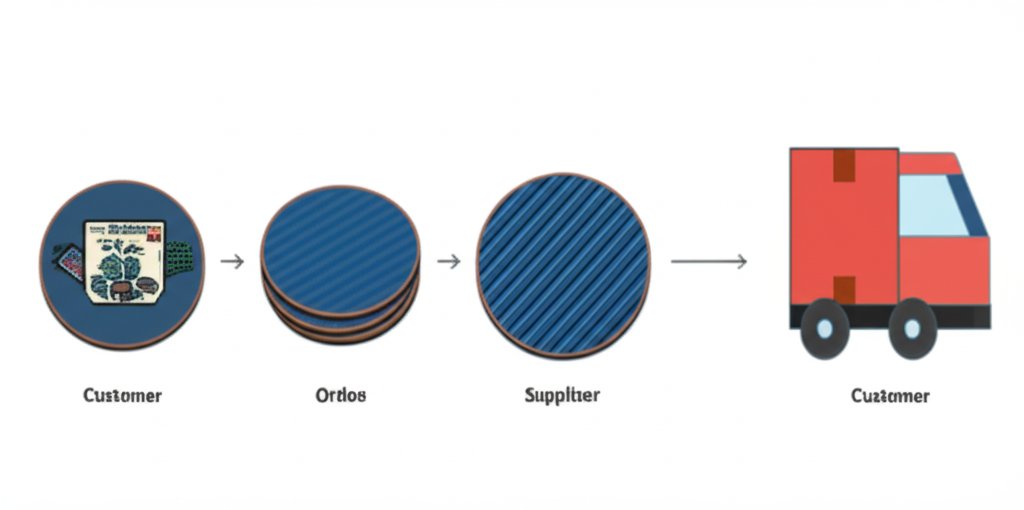
Diving into the world of dropshipping can feel like stepping into a vast ocean of possibilities. At its core, dropshipping is a retail fulfillment method where you don’t have to keep the products you sell in stock. Instead, when you sell a product, you purchase the item from a third party and have it shipped directly to the customer. This means you never have to handle the product directly.
What is Dropshipping?
The dropshipping model is straightforward yet powerful. It allows you to set up an online store without worrying about inventory or shipping logistics. You act as the middleman, connecting customers with suppliers. This model is particularly attractive due to its low startup costs and flexibility. You can operate your business from anywhere with an internet connection.
For instance, imagine running a store selling personalized coasters. You list these coasters on your website, and when a customer places an order, your supplier takes care of production and delivery. Your role is to ensure a seamless customer experience and handle marketing.
Why Choose Coasters for Dropshipping?
Now that you understand the basics of dropshipping, you might wonder why coasters are a great product choice. Here are some compelling reasons:
- Low Cost and High Margin: Coasters are inexpensive to produce, allowing for substantial profit margins. This makes them an attractive option for entrepreneurs looking to maximize returns.
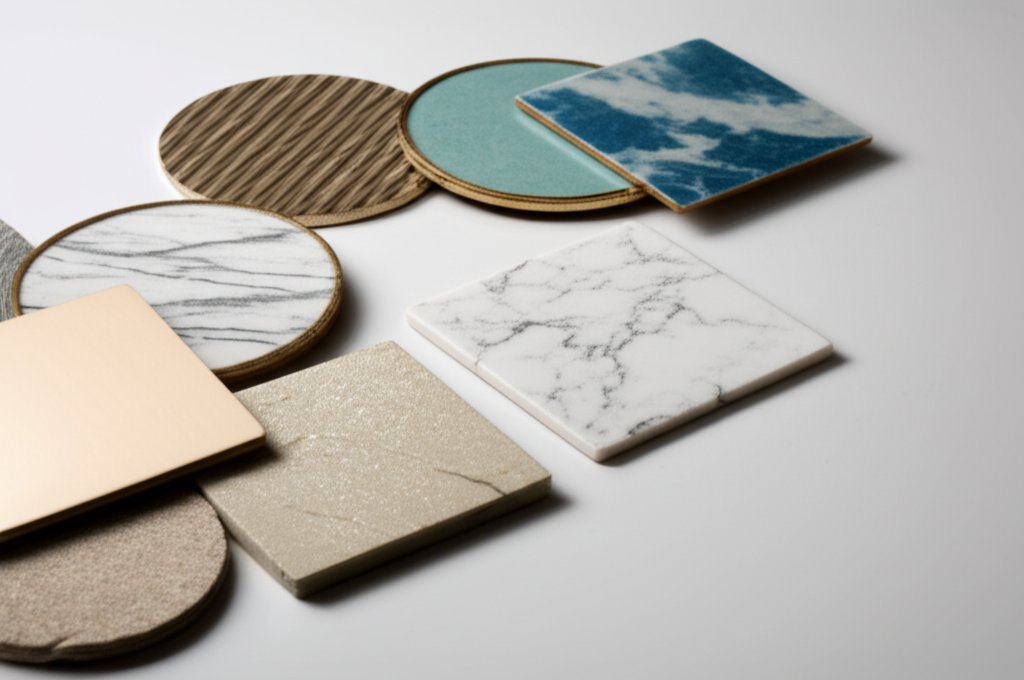
- Wide Variety: Coasters come in various materials like cork, wood, stone, and silicone. This variety allows you to cater to different customer preferences and market trends.
- Personalization Potential: Personalized coasters are highly popular. Offering customization options like engraving or printing can set your store apart from competitors.
- Compact and Lightweight: Being small and light, coasters are easy and cost-efficient to ship worldwide.
To illustrate the potential of dropshipping coasters, consider the following table highlighting key benefits:
| Feature | Benefit | Example |
|---|---|---|
| Low Production Cost | Higher profit margin | Cork coasters costing $1 sell for $10 |
| Versatility | Appeal to diverse markets | Offering both rustic wood and modern silicone designs |
| Customization Options | Increased customer engagement | Personalized monogrammed coasters |
| Ease of Shipping | Reduced shipping costs | Lightweight sets saving on postage |
By choosing coasters for your dropshipping business, you’re stepping into a market with ample opportunity for creativity and growth. Whether you’re just starting or looking to expand your e-commerce portfolio, coasters offer a practical, profitable path. As we move into the next section of setting up your business, remember that the key is finding the right platform and suppliers to make your coaster business a success.
Getting Started: Setting Up Your Dropshipping Business
Embarking on your journey to dropshipping coasters begins with setting up your business correctly. From selecting the right platform to sourcing reliable suppliers, each step is crucial to ensuring a smooth operation. Let’s dive into the foundational elements that will set your coaster business up for success.
Choosing the Right Platform
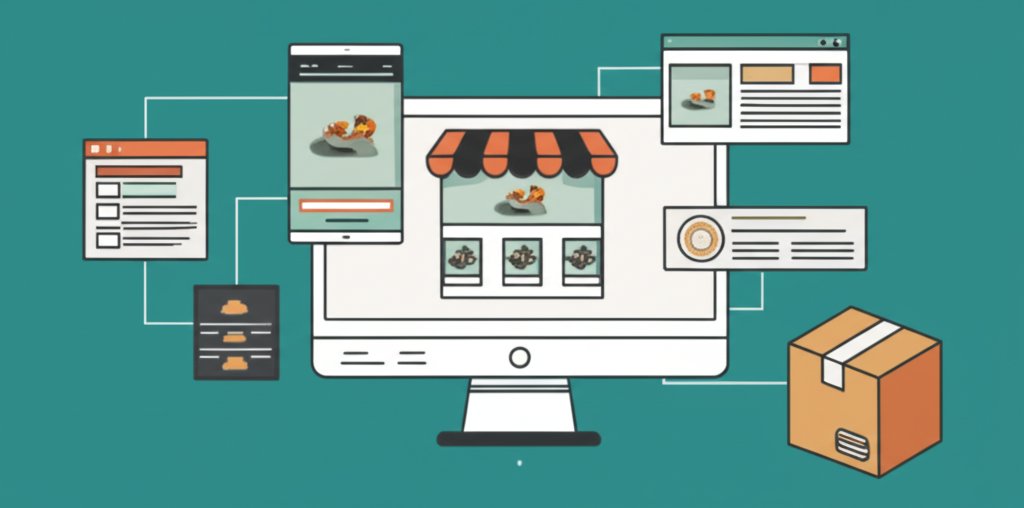
One of the first decisions you’ll make when starting your dropshipping business is choosing an e-commerce platform. The platform you select will impact everything from your store’s functionality to your customer experience. Here are some popular e-commerce platforms to consider:
- Shopify: Known for its user-friendly interface and extensive app ecosystem, Shopify is a favorite among dropshippers. It offers numerous templates and integration options to customize your store.
- WooCommerce: A flexible, open-source platform that operates as a plugin for WordPress. It’s ideal if you’re looking to leverage SEO and blogging capabilities.
- BigCommerce: Offers advanced features and scalability, making it suitable for businesses expecting rapid growth.
- Magento: A robust platform that supports larger catalogs and complex inventories, perfect for those with a technical background.
When choosing a platform, consider factors such as the ease of use, customization options, scalability, and cost. Additionally, evaluate whether the platform integrates well with dropshipping apps and suppliers you plan to use.
| Platform | Key Features | Best For |
|---|---|---|
| Shopify | User-friendly, extensive app integration | Beginners and those needing quick setup |
| WooCommerce | Highly customizable, SEO-friendly | Users familiar with WordPress |
| BigCommerce | Advanced features, scalable | Rapidly growing businesses |
| Magento | Robust, large catalog support | Tech-savvy users |
Finding Reliable Suppliers
The backbone of your dropshipping coasters business is a network of reliable suppliers. Your suppliers will handle the storage and shipping of products, so choosing the right ones is essential. Here’s what to consider when selecting suppliers:
- Product Quality: Ensure that suppliers offer high-quality coasters that meet your brand’s standards. Request samples before making any commitments.
- Shipping Times: Fast shipping is critical in maintaining customer satisfaction. Choose suppliers who can deliver products promptly.
- Communication: Effective communication is vital. Suppliers should be responsive and open to addressing any concerns or questions you have.
- Pricing: Compare pricing between different suppliers to ensure competitive rates that allow for healthy profit margins.
- Reliability: Look for established suppliers with positive reviews and a proven track record in the industry.
You might want to explore platforms like AliExpress, Oberlo (integrated with Shopify), or SaleHoo to find potential suppliers. These platforms connect you with various vendors and offer tools to streamline your dropshipping operations.
As you set up your business, remember that selecting the right platform and suppliers is just the start. In the next section, we’ll explore how to select the right products and keep up with trends in coaster designs, ensuring your business remains competitive and appealing to customers.
Product Selection: Coaster Types and Trends
Choosing the right products is crucial for the success of your dropshipping coasters business. In this section, we’ll explore the variety of coaster types available, focusing on popular materials and emerging design trends that cater to consumer preferences. By understanding these elements, you can make informed decisions that align with market demands and set your store apart.
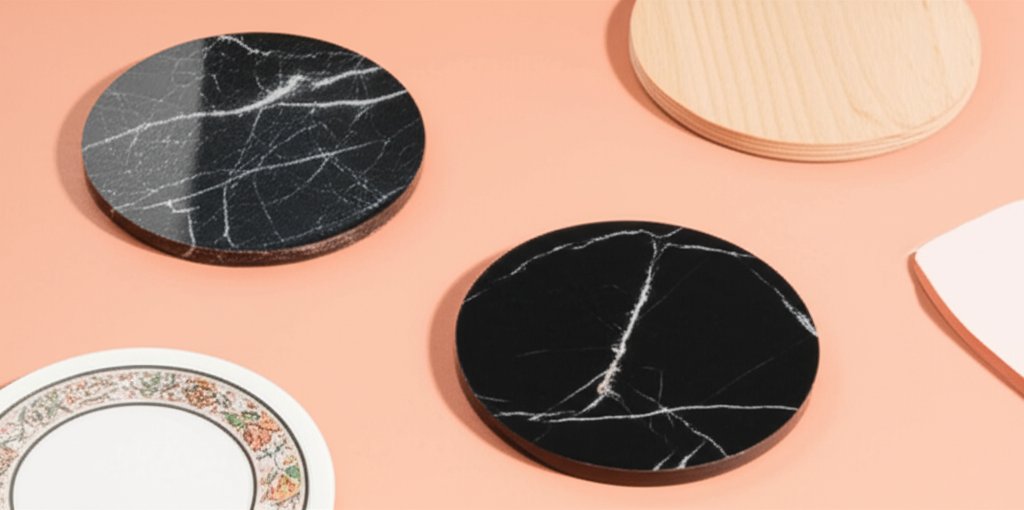
Popular Materials for Coasters
Coasters come in a range of materials, each offering unique characteristics that appeal to different customer segments. Here’s a comparison of some popular materials to consider for your dropshipping business:
| Material | Pros | Cons |
|---|---|---|
| Cork | Eco-friendly, lightweight, affordable | Less durable, can stain easily |
| Stone (e.g., Marble, Slate) | Elegant appearance, highly durable | Heavier, more expensive |
| Ceramic | Variety of designs, heat resistant | Fragile, can chip |
| Wood | Natural look, versatile designs | Requires maintenance, can warp |
| Silicone | Non-slip, heat resistant, colorful options | Less elegant, can appear cheap |
When selecting materials for your coasters, consider the target audience and their preferences. For instance, customers who prioritize sustainability might prefer cork or bamboo coasters, while those leaning towards luxury might opt for marble or slate.
Trends in Coaster Designs
The world of coaster designs is ever-evolving, influenced by broader home décor trends and consumer tastes. Here are some current trends to watch:
- Minimalist Designs: Simple and sleek coasters with neutral colors that fit seamlessly into any home setting are highly popular.
- Personalized Coasters: Customization is key. Offering options for personalized text or images can cater to gifts markets or special occasions.
- Geometric Patterns: Bold geometric shapes and patterns are appealing to younger buyers who favor modern aesthetics.
- Natural Textures: Coasters that highlight natural textures, like wood grain or stone veins, are gaining traction due to their organic appeal.
- Themed Sets: Seasonal or holiday-themed coasters offer a playful twist and encourage repeat purchases throughout the year.
Staying updated with these trends not only helps in selecting the right products but also plays a critical role in your marketing strategies. Highlighting trending designs in your promotions can attract fashion-forward consumers and keep your brand relevant.
As you choose the types and designs of coasters to include in your dropshipping store, remember to balance both aesthetics and functionality. This dual focus will ensure your offerings are both attractive and practical, meeting the diverse needs of your customers.
In the next section on marketing your coaster business, we’ll explore how you can leverage these product choices to build a strong brand presence and engage with potential customers effectively. By aligning your product selection with marketing strategies, you can maximize the impact of your dropshipping coasters business.
Marketing Your Coaster Business
Once you have your dropshipping coasters ready to sell, it’s crucial to focus on marketing strategies that will set your business apart. A strong brand and effective use of social media can significantly impact your success in the competitive e-commerce arena. Here’s how you can build a recognizable brand and leverage social media to boost visibility.
Building a Brand
Creating a strong brand identity is essential for distinguishing your business from competitors. A well-defined brand not only attracts potential customers but also builds trust and loyalty. Here are some steps to help you establish a compelling brand identity:
- Define Your Brand Story: Every brand has a story. What inspired you to start your coaster business? Share your journey and what makes your products unique. This narrative will resonate with customers and create an emotional connection.
- Create a Memorable Logo: Your logo is often the first impression customers have of your brand. Invest in a professional design that reflects your brand’s style and values.
- Consistent Visual Identity: Use consistent colors, fonts, and imagery across all platforms. A uniform look makes your brand easily recognizable and professional.
- Develop a Unique Selling Proposition (USP): Identify what sets your coasters apart from others in the market. Whether it’s eco-friendly materials or unique designs, make sure your USP is clear and compelling.
- Engage with Your Audience: Build relationships with your customers by being responsive and engaging. Encourage reviews and feedback to show that you value their opinions.
Remember, branding is more than just visuals; it’s about the overall experience you offer to your customers. As you grow, ensure your brand evolves while staying true to its core values.
Leveraging Social Media
Social media is a powerful tool for increasing the visibility of your dropshipping coasters. With millions of active users across various platforms, it offers an excellent opportunity to reach a broader audience. Here’s how you can make the most of social media:
- Select the Right Platforms: Identify where your target audience spends most of their time. Instagram, Pinterest, and Facebook are popular choices for showcasing visually appealing products like coasters.
- Create Engaging Content: Share high-quality images and videos of your coasters in action. Use lifestyle photos that show how your products can enhance living spaces.
- Use Hashtags Effectively: Research and use relevant hashtags to increase the discoverability of your posts. Hashtags like #HomeDecor, #CoasterDesigns, or #EcoFriendlyCoasters can attract users interested in those topics.
- Run Promotions and Giveaways: Encourage engagement by offering discounts or running contests. These tactics not only drive sales but also increase brand awareness.
- Collaborate with Influencers: Partner with influencers who align with your brand values and have a following that matches your target market. Influencer endorsements can boost credibility and reach.
It’s important to track your social media performance through analytics tools available on each platform. This data will help you understand what works and where there’s room for improvement.
| Platform | Best Use | User Demographics |
|---|---|---|
| Visual Content, Stories | Ages 18-34, Urban Areas | |
| DIY Ideas, Home Decor | Ages 25-54, Predominantly Female | |
| Community Building, Ads | Ages 25-44, Diverse Audience |
By building a strong brand and utilizing social media effectively, you’ll be well on your way to establishing a successful dropshipping coasters business. In the next section, we’ll dive into managing operations smoothly, so you can focus on growing and scaling.
Managing Your Dropshipping Operations
Once your dropshipping coasters business is up and running, managing operations efficiently becomes crucial. This involves streamlining the order fulfillment process and excelling in customer service. Let’s dive into these essential aspects to ensure your business runs smoothly and keeps customers coming back for more.
Order Fulfillment Process
The order fulfillment process is the backbone of your dropshipping business. It involves receiving orders, processing them, and ensuring that products reach your customers on time. Here are some tips to optimize this process:
- Automate Where Possible: Use automation tools to manage orders, track inventory, and update customers on the status of their orders. Platforms like Shopify offer integrations with apps that can help streamline these tasks.
- Choose Reliable Suppliers: As discussed in the setup section, working with dependable suppliers who have a track record of timely and accurate order fulfillment is critical. This reduces delays and ensures customer satisfaction.
- Set Clear Expectations: Clearly communicate shipping times and costs to your customers on your website. Transparency helps manage customer expectations and reduces inquiries about order status.
- Monitor Inventory Levels: Even though you don’t hold stock, keeping track of your suppliers’ inventory levels helps prevent overselling and ensures you can fulfill orders promptly.
Implementing these strategies will help you maintain a smooth order fulfillment process, which is vital for the success of your dropshipping coasters business.
Customer Service Excellence
Providing excellent customer service can set your business apart from the competition. Happy customers are more likely to become repeat buyers and recommend your store to others. Here’s how you can achieve customer service excellence:
- Responsive Communication: Aim to respond to customer inquiries within 24 hours. Quick responses show that you value their time and business.
- Offer Multiple Support Channels: Provide support through various channels such as email, chat, and social media. This ensures customers can reach you in the way that’s most convenient for them.
- Develop a FAQ Section: A well-crafted FAQ section can answer common questions about your products, shipping times, and return policies, reducing the volume of direct inquiries.
- Handle Returns Gracefully: Create a clear return policy that’s easy for customers to understand. Be accommodating with returns and exchanges to foster trust and loyalty.
For further insights, consider analyzing customer feedback regularly. This can provide valuable insights into areas where you can improve your service, ultimately enhancing the customer experience.
| Strategy | Benefits |
|---|---|
| Automation Tools | Reduces manual tasks and errors, increases efficiency |
| Responsive Support | Improves customer satisfaction and loyalty |
| FAQ Section | Decreases support requests and boosts customer confidence |
By efficiently managing both the order fulfillment process and customer service, you set the foundation for a thriving dropshipping coasters business. As you master these operations, you’ll be well-prepared to explore new opportunities in scaling and optimizing your venture.
Scaling and Optimizing for Success
Congratulations on getting your dropshipping coasters business off the ground! Now, it’s time to focus on scaling and optimizing your operations to maximize success. This involves analyzing performance metrics and considering product line expansion. Both are crucial steps in ensuring your business not only survives but thrives in the competitive e-commerce landscape.
Analyzing Performance Metrics
Understanding and tracking key performance metrics is essential for making informed decisions about your business. Here are some critical metrics you should focus on:
- Conversion Rate: This metric indicates the percentage of visitors who make a purchase. Improving your conversion rate can significantly boost your revenue without increasing traffic.
- Customer Acquisition Cost (CAC): Knowing how much it costs to acquire a new customer helps you evaluate the effectiveness of your marketing strategies.
- Average Order Value (AOV): Increasing AOV by offering bundle deals or upsells can enhance profitability.
- Customer Lifetime Value (CLV): This predicts the total revenue you can expect from a single customer account. A higher CLV suggests a loyal customer base.
- Return on Ad Spend (ROAS): This measures the revenue generated for every dollar spent on advertising, helping you optimize your marketing budget.
The data from these metrics will guide you in refining your marketing strategies, adjusting pricing, and improving customer experiences. To effectively track these metrics, consider using analytics tools like Google Analytics or specialized e-commerce platforms that offer integrated insights.
Expanding Product Lines
Once you’ve established a steady flow of sales, expanding your product line is an excellent way to scale your business. Diversification not only attracts a broader audience but also cushions against market fluctuations. Here are some ideas for expanding your coaster product line:
- Themed Collections: Consider introducing coasters with themes such as holidays, hobbies, or pop culture references. This approach can attract niche markets and encourage repeat purchases.
- Customizable Coasters: Offer customers the option to personalize coasters with names, dates, or custom artwork. Personalized products often have higher perceived value and can command premium pricing.
- Bundling Products: Create bundles that include coasters with complementary items like mugs or wine glasses. Bundles often encourage larger purchases and increase AOV.
Before expanding, conduct market research to identify trends and customer preferences. Analyzing competitor product lines can also offer insights into potential gaps or opportunities in the market.
| Metric | Description | Importance |
|---|---|---|
| Conversion Rate | Percentage of visitors who purchase | Boosts revenue without increasing traffic |
| CAC | Cost to acquire a new customer | Evaluates marketing effectiveness |
| AOV | Average amount spent per order | Increases profitability |
| CLV | Total expected revenue from a customer | Indicates customer loyalty |
| ROAS | Revenue per ad dollar spent | Optimizes marketing budget |
By thoughtfully analyzing metrics and strategically expanding your product offerings, you can scale your dropshipping coasters business effectively. Remember, growth comes from both internal optimizations and smart diversification. Armed with data-driven insights and an evolving product line, you’re well on your way to making a significant impact in the e-commerce world.
Conclusion: Your Path to Dropshipping Success
Embarking on your journey with dropshipping coasters can be both exciting and rewarding. Throughout this guide, we’ve explored the dropshipping model, highlighted why coasters make an excellent product choice, and walked you through setting up your business. You’ve learned how to choose the right platform and find reliable suppliers, ensuring a solid foundation from the start.
In the product selection phase, understanding coaster materials and design trends is crucial for keeping your offerings fresh and appealing. Marketing is another vital component, where building a strong brand presence and leveraging social media can significantly boost your visibility and sales.
Managing your operations smoothly with an effective order fulfillment process and top-notch customer service will set you apart from competitors. As you grow, analyzing performance metrics and expanding your product lines will be key steps in scaling your business successfully.
Ready to turn your coaster dropshipping idea into a successful business? Start today and make your mark in the e-commerce world. Sign up for our newsletter for more tips and exclusive resources.
With the insights and strategies from this guide, you’re well-equipped to navigate the world of dropshipping coasters. Your success story is waiting to be written—take the first step today!
Frequently Asked Questions
What is the initial cost to start dropshipping coasters?
The initial cost for dropshipping coasters can vary based on your chosen platform and marketing efforts. Typically, you can start with as little as $100 to $500. This includes setting up an online store, purchasing a domain, and initial marketing expenses. Since you don’t hold inventory, upfront product costs are minimized.
How do I find reliable suppliers for coaster dropshipping?
Finding reliable suppliers involves researching platforms like AliExpress, Oberlo, or SaleHoo. Look for suppliers with high ratings, positive reviews, and good communication. Ordering samples is a smart move to assess product quality and shipping times before committing.
What are the best platforms for selling dropshipping coasters?
Popular platforms for selling dropshipping coasters include Shopify, WooCommerce, and BigCommerce. Each offers unique features; Shopify is user-friendly with robust support, WooCommerce integrates seamlessly with WordPress, and BigCommerce provides scalability options for growing businesses.
How can I effectively market my coaster dropshipping business?
To effectively market your coaster business, leverage social media platforms such as Instagram and Pinterest to showcase trendy designs. Collaborate with influencers and use targeted ads to reach specific audiences. Building a strong brand identity through consistent messaging and visuals is crucial.
What is the typical delivery time for dropshipping coasters?
Delivery times for dropshipping coasters usually range from 15 to 30 days, depending on the supplier’s location and shipping method. Offering expedited shipping options can help cater to customers who need faster delivery, but may involve higher costs.
Can I customize coasters when dropshipping?
Yes, many suppliers offer customization options such as personalized designs or logos on coasters. This can differentiate your brand and attract niche markets. Be sure to discuss customization capabilities and associated costs with suppliers beforehand.
References & Further Reading
- Dropshipping Statistics – In-depth stats on market value ($372.47B current, $476.1B by 2026), profit margins (20-30%), success rates (10% profitable in year one, 1.5% over $50K/month), and challenges (84% cite suppliers); authoritative for e-commerce analytics expertise and broad data coverage.[2