
Start your journey to a profitable 3D printing business with insights and strategies that work. As technology continues to evolve, the opportunities to make money with a 3D printer are expanding rapidly. Whether you’re a hobbyist looking to turn your passion into profit or an entrepreneur seeking the next big thing, understanding how to make money with a 3D printer can open doors to numerous business possibilities.
This guide will walk you through everything you need to know, from the explosive growth of the 3D printing market and advancements in technology to choosing the right printer that fits your business needs. You’ll explore profitable business ideas such as creating custom products, offering prototyping services, and tapping into niche markets.
We’ll also address the legal landscape, including licensing and intellectual property considerations, ensuring you stay on the right side of the law. You’ll learn from pioneers in the field through inspiring success stories and discover eco-friendly practices that can set your business apart in today’s sustainability-conscious world.
Finally, we’ll dive into pricing strategies to help you maximize profits while remaining competitive. Whether you’re just starting out or looking to scale, this comprehensive guide is your go-to resource for turning your creative ideas into a thriving 3D printing business. Get ready to transform your vision into reality!
Table of Contents
Why Making Money with a 3D Printing is a Golden Opportunity
The world of 3D printing is more than just a technological novelty; it’s a booming industry with vast potential for profit and innovation. If you’re wondering how to make money with a 3d printer, understanding the current landscape and future possibilities is key. Let’s dive into why 3D printing is considered a golden opportunity, starting with the impressive growth of the market.

Market Growth
The 3D printing market has seen unprecedented growth over the past few years. According to recent reports, the global 3D printing market size was valued at approximately $13.7 billion in 2020 and is projected to reach $63.5 billion by 2025, growing at a robust CAGR of 34.5%. This remarkable growth is driven by various factors, including increased adoption in sectors like healthcare, automotive, and aerospace.
One of the key drivers of this expansion is the ability of 3D printing to reduce production costs and time. For example, traditional manufacturing processes can be both costly and time-consuming when it comes to producing complex designs. In contrast, 3D printing allows for rapid prototyping and customization, which appeals to industries that require high precision and efficiency.
Moreover, the democratization of 3D printing technology has opened up opportunities for small businesses and individual entrepreneurs. Affordable desktop 3D printers are now widely available, enabling hobbyists and startups to explore new business models without significant upfront investments.
| Year | Market Value (in billions) | Growth Rate (CAGR) |
|---|---|---|
| 2020 | $13.7 | N/A |
| 2025 (Projected) | $63.5 | 34.5% |
Technological Advancements
The technological advancements in 3D printing are nothing short of revolutionary. Emerging innovations continue to reshape what’s possible in this field, driving further adoption across various industries.
Materials Innovation: Initially, 3D printing was limited to plastics; however, innovations have led to the development of new materials such as metals, ceramics, and even bio-materials. This has widened the scope of applications from simple prototypes to functional parts used in critical sectors.
Speed and Precision: Enhanced printing speeds and improved precision are making it feasible to produce high-quality products faster than ever before. Techniques like multi-material printing and continuous liquid interface production (CLIP) are setting new benchmarks for what can be achieved with 3D printing technologies.
Software and Automation: Advances in software have contributed to more efficient design processes, enabling more complex geometries and reducing waste. Automation in post-processing also minimizes manual labor, further streamlining production workflows.
Eco-friendly Initiatives: As covered in the upcoming sections on eco-friendly practices, many companies are innovating towards more sustainable production methods using recycled materials and energy-efficient processes. This not only reduces environmental impact but also appeals to environmentally conscious consumers.
The combination of market growth and technological advancements positions 3D printing as an exciting frontier for both established businesses and newcomers looking to innovate. By staying informed about these trends and developments, you can better strategize how to make money with a 3d printer and tap into this lucrative market.
Choosing the Right 3D Printer for Your Business
Embarking on your journey in the 3D printing business starts with selecting the right equipment. With numerous options available, understanding the types of 3D printers and their features is crucial to making informed decisions. This section will guide you through the essentials to help you choose a printer that aligns with your business goals.
Types of 3D Printers
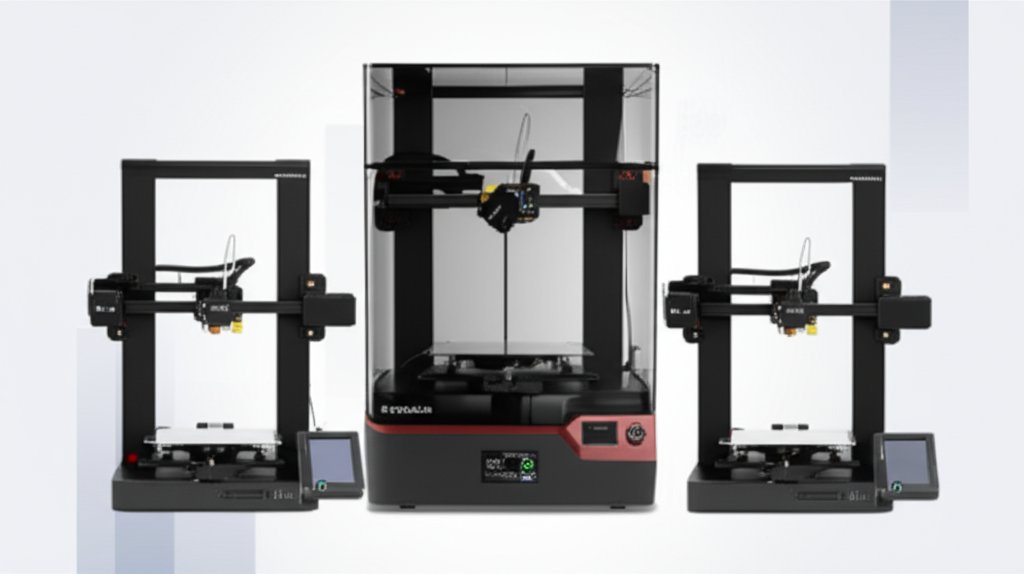
When considering how to make money with a 3D printer, the type of printer you choose can significantly impact your offerings and profitability. Two popular types are Fused Deposition Modeling (FDM) printers and Resin printers, each with its own set of advantages.
| Aspect | FDM Printers | Resin Printers |
|---|---|---|
| Technology | Uses a thermoplastic filament that is heated and extruded layer by layer | Utilizes a liquid resin that is cured with UV light |
| Cost | Generally more affordable, with entry-level models starting around $200 | Typically more expensive, starting at about $300 for entry-level models |
| Print Quality | Adequate for functional prototypes and larger objects, with visible layer lines | Offers higher resolution prints suitable for detailed and intricate designs |
| Material Options | Wide range of materials, including PLA, ABS, and PETG | Limited to resin types, but improvements in resin technology are expanding choices |
| Speed | Generally faster print times for larger objects | Slower due to finer resolution and post-processing needs |
Your choice between an FDM or Resin printer should be guided by your business focus. For instance, if you’re targeting a market that demands high-detail miniatures or dental models, a resin printer might be the better option. Conversely, if you aim to produce functional parts or larger items, an FDM printer could suffice.
Printer Features to Consider
Beyond choosing the type of printer, several features can influence the efficiency and output quality of your 3D printing business. Here’s what to look for:
- Build Volume: The size of the print bed dictates the maximum size of objects you can create. A larger build volume allows for bigger prints or multiple smaller items in one batch.
- Print Speed: Faster printers can increase productivity but may compromise quality if not well-calibrated. Balance speed with quality based on your product demands.
- Resolution: Measured in microns, resolution determines the level of detail your printer can achieve. Higher resolution printers are ideal for detailed work but may come at a higher cost.
- Material Compatibility: Some businesses may require diverse material options to cater to different customer needs. Ensure the printer supports the materials necessary for your products.
- User-Friendliness: Consider how easy it is to set up and operate the printer. User-friendly interfaces can save time and reduce the learning curve, especially if you plan to scale quickly.
Conducting a cost-benefit analysis is essential before making a purchase. While upfront costs are important, consider long-term expenses like material costs, maintenance, and potential upgrades. Align these factors with your business’s financial projections to ensure sustainability and growth.
In the competitive world of 3D printing businesses, selecting the right equipment is foundational to success. By carefully evaluating the types of printers and their features, you can position yourself effectively in the market, setting the stage for profitable ventures as you explore further opportunities discussed in subsequent sections.
Top Profitable 3D Printing Business Ideas
Embarking on a journey to discover how to make money with a 3D printer can be both exciting and rewarding. The versatility of 3D printing offers endless opportunities, whether you aim to create unique custom products, offer prototyping services, or tap into niche markets. Let’s explore some of the most promising business ideas in the 3D printing landscape.
Custom Products
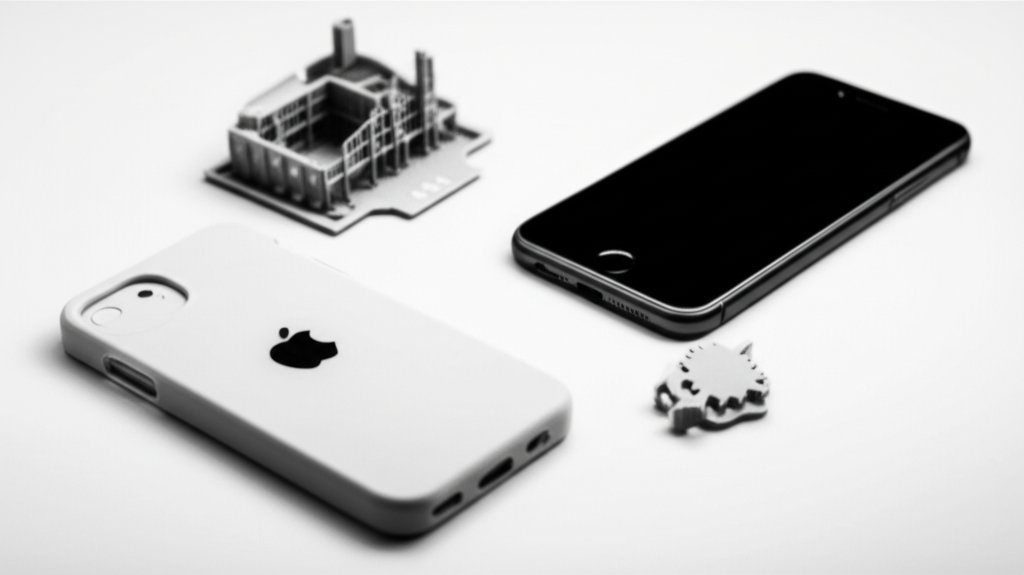
One of the most accessible ways to start a profitable 3D printing business is by creating custom products. Consumers increasingly value personalized items, and 3D printing makes customization easier than ever. From jewelry and home decor to customized phone cases and toys, the possibilities are extensive.
- Personalized Jewelry: Craft unique rings, bracelets, or pendants that cater to individual tastes. Using different materials like plastic, metal, or even biodegradable options can set your offerings apart.
- Home Decor: Create one-of-a-kind vases, lampshades, or wall art that customers can personalize with their choice of colors and designs.
- Phone Accessories: Design phone cases and stands that allow for customer-specific prints or features, such as names or photos.
To excel in this sector, focus on quality and speed. A fast turnaround time can greatly enhance customer satisfaction and lead to repeat business.
Prototyping Services
Another lucrative area is offering prototyping services to businesses and entrepreneurs. As innovation continues to drive industries forward, the demand for rapid prototyping has never been higher. By providing this service, you help clients bring their ideas to life quickly and affordably.
- Cost-effective Solution: Compared to traditional manufacturing methods, 3D printing offers a more economical way to test designs before full-scale production.
- Speed and Precision: Advanced 3D printers can create complex prototypes with high precision in a fraction of the time it would take using other techniques.
- Diverse Material Options: Offer a variety of materials—such as PLA, ABS, or even metal—to meet different industry needs.
Building relationships with local startups or joining innovation hubs can be a strategic way to expand your client base in this sector.
Niche Markets
Tapping into niche markets can also be a highly effective strategy for making money with your 3D printer. These markets often have specific needs that aren’t met by mass production, giving you an opportunity to stand out.
- Medical Devices: Create customized prosthetics or dental implants tailored to individual patients’ needs. This niche requires adherence to strict safety standards but offers significant profit potential.
- Fashion Industry: Design avant-garde fashion pieces or accessories that push the boundaries of traditional textile manufacturing.
- Automotive Parts: Manufacture hard-to-find or obsolete car parts for classic vehicles enthusiasts.
Finding and serving niche markets requires thorough research and often involves specialized knowledge. Engaging with online communities or attending trade shows can provide valuable insights into the specific demands of these markets.
| Niche Market | Potential Product | Key Considerations |
|---|---|---|
| Medical Devices | Custom Prosthetics | Compliance with safety regulations |
| Fashion Industry | 3D Printed Accessories | Innovative design and materials |
| Automotive Parts | Classic Car Components | Precise replication and durability |
The key to success in the 3D printing business is innovation and adaptability. Whether you’re crafting custom products or serving niche markets, understanding your target audience’s needs will guide your business decisions. As you consider which path to take, remember that each segment offers unique opportunities for growth and profitability.
Legal and Intellectual Property Considerations
Embarking on your journey to learn how to make money with a 3D printer comes with a variety of exciting opportunities, but also some important legal considerations. Understanding the legal landscape is crucial to protect your business and your designs, ensuring that you can operate smoothly and avoid potential pitfalls.
Licensing
Licensing is a critical aspect of running a 3D printing business. When you create designs or use existing ones, understanding the licensing agreements associated with these designs is essential. Licenses dictate how you can use, modify, and distribute 3D models, which can impact your business operations significantly.
- Open-source Designs: Many 3D models are available under open-source licenses, allowing you to use and modify them freely. However, some licenses might require you to credit the original creator or forbid commercial use, so always check the specific terms.
- Commercial Licenses: If you’re purchasing designs for commercial use, ensure that the license covers resale or modification. Commercial licenses often come with specific terms that may limit the scope of usage.
- Custom Licensing Agreements: For unique designs created by others, you might need to negotiate a custom licensing agreement that suits both parties. This can involve legal counsel to draft terms that protect your business interests.
Intellectual Property
Protecting your intellectual property (IP) is just as important as respecting others’. Whether you’re crafting unique designs or offering innovative services, safeguarding your creations ensures that your hard work isn’t exploited without permission.
Here are some key strategies for managing intellectual property in your 3D printing business:
- Register Your Designs: Consider registering your unique designs with relevant authorities to gain legal protection. This helps prevent others from copying or using your designs without consent.
- Use NDAs: Non-disclosure agreements (NDAs) can be valuable when working with contractors or partners. They legally bind these parties to keep your proprietary information confidential.
- Monitor for Infringement: Regularly monitor the market for potential infringements of your IP. Tools like reverse image searches can help identify unauthorized uses of your designs online.
Understanding these legal considerations will help you navigate the complex landscape of intellectual property while focusing on how to make money with a 3D printer effectively. Ensuring that both your business practices and creations are legally protected will enable you to focus more on innovation and less on litigation.
| Aspect | Description | Importance |
|---|---|---|
| Open-source Licensing | Allows free use and modification but may have restrictions like attribution. | High – Ensure compliance to avoid legal issues. |
| Commercial Licensing | Covers resale and modification, often with specific terms. | Critical for selling products made from purchased designs. |
| Design Registration | Legal protection for unique designs. | Essential for protecting original creations. |
| Non-disclosure Agreements (NDAs) | Keeps proprietary information confidential among partners and contractors. | Vital for maintaining competitive advantage. |
By addressing these legal and intellectual property considerations, you’ll be better equipped to build a successful and legally sound 3D printing business. As you explore innovative ways to earn with your printer, this foundational knowledge will serve as a cornerstone for sustainable growth and creativity.
Success Stories: Learning from the Pioneers
One of the most compelling ways to learn how to make money with a 3D printer is by examining the journeys of those who have already succeeded. These pioneers have navigated challenges, seized opportunities, and turned their innovative ideas into profitable ventures. Here, we delve into two inspiring case studies, illustrating the potential of the 3D printing business.
Case Study 1: The Custom Jewelry Innovator
Meet Sarah, a jewelry designer who transformed her passion into a thriving business by leveraging the capabilities of 3D printing. Initially, Sarah struggled to find affordable production methods for her intricate designs. Traditional manufacturing was costly and limited her creative freedom. That’s when she discovered 3D printing.
By investing in a high-resolution resin printer, Sarah began producing custom jewelry pieces that were both unique and cost-effective. She utilized online platforms like Etsy to reach a global audience, highlighting the bespoke nature of her products. Over time, her brand gained recognition for its quality and originality.
- Key Takeaways: Sarah’s success was rooted in identifying a niche market and using 3D printing to offer something traditional methods couldn’t. The ability to customize each piece gave her a competitive edge.
- Lessons Learned: Embrace technology to expand your creative limits. Online marketplaces can significantly boost your reach and sales.
Case Study 2: The Prototyping Service Provider
John, a mechanical engineer, saw the potential of 3D printing early on and decided to start a prototyping service. His firm specializes in helping startups and inventors bring their ideas to life with tangible prototypes quickly and affordably.
John invested in several industrial-grade 3D printers capable of working with various materials. His business model focused on fast turnaround times and high-quality output, which attracted clients from diverse industries, including automotive and consumer electronics.
Within two years, John expanded his team and equipment inventory, scaling his business to meet growing demand. His ability to offer precise and reliable prototyping services helped him establish long-term contracts with major corporations.
- Key Takeaways: Focusing on quality and speed can set you apart in the competitive prototyping market. Building relationships with clients is crucial for sustained growth.
- Lessons Learned: Invest in technology that aligns with your business goals. A commitment to quality can lead to repeat business and referrals.
| Business Model | Investment | Key Strategy | Outcome |
|---|---|---|---|
| Custom Jewelry | $5,000 on resin printer | Niche market focus | Global brand recognition |
| Prototyping Service | $20,000 on industrial printers | Fast turnaround & quality | Long-term corporate clients |
These examples illustrate that whether you’re crafting unique products or providing essential services, there are numerous paths to profitability in the 3D printing landscape. By learning from these pioneers, you can forge your own way forward in this dynamic industry. As you consider your strategy for how to make money with a 3D printer, draw inspiration from their successes and apply these lessons to your venture.
In the next section, we’ll explore eco-friendly and sustainable practices that not only help the planet but also enhance your business’s appeal to environmentally conscious consumers.
Eco-friendly and Sustainable Practices
In today’s world, sustainability is more than just a buzzword; it’s a necessary approach for any business, including those looking to understand how to make money with a 3D printer. By adopting eco-friendly practices, not only do you contribute positively to the environment, but you also appeal to a growing segment of environmentally conscious customers. Let’s explore how you can integrate sustainability into your 3D printing business.
Recycling Materials
One of the most effective ways to make your 3D printing business sustainable is by focusing on recycling materials. The good news is that the 3D printing industry is increasingly moving towards using recycled and recyclable materials. Here’s how you can get started:
- Sourcing Sustainable Filaments: Opt for filaments made from recycled plastics or bio-based materials like PLA (Polylactic Acid), which is derived from renewable resources such as corn starch or sugar cane. These materials are not only environmentally friendly but also provide high-quality prints.
- Repurposing Waste: Implement a process for collecting and recycling failed prints and excess materials. Many companies offer recycling services where you can send your waste plastics to be transformed back into usable filament.
By incorporating recycled materials into your production process, you reduce waste and lower the environmental impact of your business operations. Notably, using recycled filaments can also be cost-effective, helping you maintain competitive pricing and maximize profits.
Energy-efficient Printing
Another crucial aspect of sustainability in 3D printing is energy efficiency. Here are some strategies you can adopt to minimize energy consumption:
- Select Energy-efficient Printers: When choosing a 3D printer, consider models designed with energy-saving features. These printers often use less power during operation and have energy-saving modes that reduce consumption when not actively printing.
- Optimize Print Settings: Adjusting print settings such as layer height and infill density can significantly reduce printing time and energy usage. Experiment with these settings to find the most efficient balance between print quality and energy consumption.
- Schedule Off-peak Printing: If possible, schedule your printing jobs during off-peak hours when electricity rates are lower. This not only saves costs but also reduces the strain on the grid during peak times.
Implementing these energy-efficient practices not only cuts down on utility expenses but also enhances your business’s reputation as an environmentally responsible entity. Customers are increasingly seeking businesses that prioritize sustainability, offering you a competitive edge in a crowded market.
| Practice | Benefit | Example |
|---|---|---|
| Recycled Filaments | Reduces Raw Material Costs | Using PLA from corn starch |
| Energy-efficient Printers | Lowers Energy Bills | Printers with energy-saving modes |
| Optimized Print Settings | Shortens Print Time | Adjusting infill density |
Integrating these eco-friendly practices sets your business apart and aligns with broader environmental goals. As you continue to explore how to make money with a 3D printer, remember that sustainability is not just an option but a strategic advantage that can enhance both your brand image and your bottom line.
Pricing Strategies and Profit Maximization
Now that you’re equipped with a 3D printer and a head full of creative ideas, it’s time to delve into one of the most crucial aspects of your business: pricing. Setting the right price for your 3D printed products isn’t just about covering costs; it’s about positioning yourself in the market and maximizing your profits. Let’s explore how you can strategically price your offerings and ensure your 3D printing business thrives.
Cost Analysis
Before you can set any prices, you need a clear understanding of your costs. Accurately calculating the total cost of producing each item is the foundation for any pricing strategy. Here’s what you should consider:
- Material Costs: This includes the filament or resin used in printing. Remember to account for waste and failed prints, which are common in the 3D printing process.
- Equipment Costs: Factor in the depreciation of your 3D printer over time, as well as any maintenance costs.
- Labor Costs: Whether it’s your time or that of an employee, labor costs should include the time spent designing, printing, and finishing the product.
- Utility Costs: 3D printers consume electricity, so include this in your cost analysis.
Once you have these numbers, you can calculate the total cost per unit. This clarity will empower you to make informed decisions about pricing and ensure you’re not just covering expenses but also paving the way to profitability.
Setting Competitive Prices
With a solid understanding of your costs, the next step is to set prices that attract customers while ensuring you make a profit. Here are some strategies to consider:
- Market Research: Look at what competitors are charging for similar products. This will help you understand the market standard and identify opportunities to differentiate yourself.
- Value-Based Pricing: Consider what your product is worth to the customer. If you’re offering a unique or highly customized item, you might be able to charge a premium.
- Dynamic Pricing: Adjust prices based on demand. During peak seasons or when certain materials become scarce, you might increase prices to match demand and supply dynamics.
A practical example would be selling custom phone cases. If your cost analysis reveals a production cost of $5 per case, and market research shows similar products sell for $15, you have a $10 margin to work with. You might decide to price them at $18 if they offer superior quality or unique features compared to competitors.
| Product | Production Cost | Market Price | Your Price |
|---|---|---|---|
| Custom Phone Case | $5 | $15 | $18 |
| Unique Jewelry Piece | $20 | $50 | $55 |
| Prototype Model | $30 | $100 | $110 |
The key to how to make money with a 3D printer lies in finding that sweet spot where your prices reflect both the value provided and the costs incurred. Keep testing and refining your pricing strategy as your business grows and evolves. By doing so, you’ll ensure that your venture remains profitable and competitive over time.
As you implement these strategies, don’t forget to revisit them regularly as part of your business review process. Just as technology and markets evolve, so should your pricing strategies to keep your business thriving.
Conclusion: Your 3D Printing Journey Begins Here
You’ve explored the vast potential of 3D printing, from understanding market growth and technological advancements to choosing the right 3D printer that fits your business needs. With the right equipment, you can dive into profitable ventures like custom products and prototyping services, tapping into niche markets that are ripe for innovation.
Legal considerations are crucial as you navigate licensing and intellectual property issues, ensuring your business operates smoothly and ethically. Learning from successful pioneers in the industry provides a blueprint for success, while adopting eco-friendly practices enhances your brand’s sustainability and appeal.
By mastering effective pricing strategies, you can maximize profits and stay competitive. This comprehensive guide has equipped you with the knowledge needed to succeed in the dynamic world of 3D printing.
Ready to start your 3D printing business? Take the first step today and turn your creativity into a thriving venture! Understanding how to make money with a 3D printer is just the beginning. Embrace the opportunities, innovate with purpose, and watch your ideas come to life.
Frequently Asked Questions
How can I start making money with a 3D printer?
To start making money with a 3D printer, identify a niche market or service that aligns with your skills and interests. You can create custom products, offer prototyping services, or tap into niche markets. Begin by investing in the right 3D printer for your needs, considering factors like cost, materials, and capabilities. Marketing your services online through platforms like Etsy or your own website can help you reach potential customers.
What are the costs involved in starting a 3D printing business?
The costs of starting a 3D printing business include purchasing a 3D printer, buying materials like filament, and possibly software for design work. Entry-level printers can cost a few hundred dollars, while more advanced models range into the thousands. Additionally, consider expenses for marketing and any necessary licenses. Over time, efficient pricing strategies can help recoup these costs and maximize profits.
Is it difficult to learn how to use a 3D printer?
Learning to use a 3D printer can be straightforward, especially with the wealth of resources available online. Many printers come with user-friendly software and tutorials to guide beginners. Start with simple projects and gradually advance to more complex designs. Joining online communities or local maker spaces can provide additional support and learning opportunities.
What types of products sell well in the 3D printing market?
Products that sell well include custom-designed jewelry, home decor items, and personalized gifts. Functional prototypes and bespoke parts for various industries also have a strong market presence. Identifying trends and consumer needs can help you tailor your offerings for better sales performance.
Can I run a 3D printing business part-time?
Yes, running a 3D printing business part-time is feasible. Many entrepreneurs start part-time, balancing it with other commitments. Focus on manageable projects that fit your schedule, gradually expand your offerings, and scale up as demand grows. Online platforms allow for flexible management so you can adjust your workload as needed.